Introduction of Aspectj Vs Spring Aop Self Invocation Private Method Interception Explained Part 6
Looking for Aspectj Vs Spring Aop Self Invocation Private Method Interception Explained Part 6's database profile? We've gathered the latest integration metrics, platform footprints, and exclusive insights for Aspectj Vs Spring Aop Self Invocation Private Method Interception Explained Part 6. Explore the complete Verified Registry and digital record.
Core Information
Explore the key sources for Aspectj Vs Spring Aop Self Invocation Private Method Interception Explained Part 6.
Recent Updates
Stay updated on Aspectj Vs Spring Aop Self Invocation Private Method Interception Explained Part 6's latest milestones.
Mastering Spring AOP: @AfterThrowing AspectJ Annotation Example | Spring Tutorial
Understanding Spring AOP Around Advice - Example and Explanation | Spring Tutorial
Spring AOP tutorial - Part 1 | Aspect Oriented Programming Tutorial Part -1
Mastering Spring AOP: @AfterReturning AspectJ Annotation Explained | Spring Tutorial
Mastering Spring AOP Before Advice - Example and Explanation | Spring Tutorial
AspectJ in Test Automation (Maksym Barvinskyi, Ukraine) [UA]
How to apply AroundAdvice using RegexpMethodPointcutAdvisor and DefaultAdvisorAutoProxyCreator
WHY DO WE NEED @EnableAspectJAutoProxy SPRING AOP
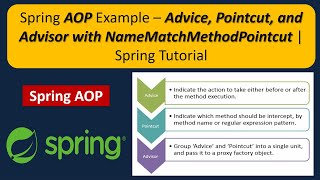
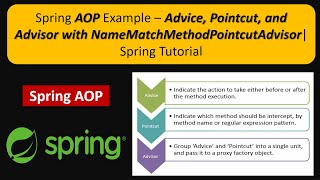
Spring AOP Example – Advice, Pointcut, and Advisor with NameMatchMethodPointcutAdvisor
Understanding Spring AOP: @After AspectJ Annotation Example | Spring Tutorial
Real examples of Spring AOP inside Spring itself and beyond [Spring AOP journey - Part 3]
Full Guide
Data is compiled from public records and verified media reports.
Last Updated: August 17, 2026
Conclusion
For 2026, Aspectj Vs Spring Aop Self Invocation Private Method Interception Explained Part 6 remains one of the most talked-about creator profiles. Check back for the newest reports.
Disclaimer: Disclaimer: All Verified Registry logs and creator system metrics are compiled from publicly accessible data, development records, and digital index testing.



![AspectJ in Test Automation (Maksym Barvinskyi, Ukraine) [UA]](https://i.ytimg.com/vi/HUodS4CCcT8/mqdefault.jpg)


![Real examples of Spring AOP inside Spring itself and beyond [Spring AOP journey - Part 3]](https://i.ytimg.com/vi/7nDxnNuZ6gI/mqdefault.jpg)
