Overview of Dimension Reduction Theory And Code In Python Part 12 Machine Learning In Python The Data Monk
Looking for Dimension Reduction Theory And Code In Python Part 12 Machine Learning In Python The Data Monk's database profile? We've gathered the latest integration metrics, platform footprints, and exclusive insights for Dimension Reduction Theory And Code In Python Part 12 Machine Learning In Python The Data Monk. Discover the complete Verified Registry and digital record.
Key Details
Explore the primary sources for Dimension Reduction Theory And Code In Python Part 12 Machine Learning In Python The Data Monk.
History
Stay updated on Dimension Reduction Theory And Code In Python Part 12 Machine Learning In Python The Data Monk's newest achievements.
12. Dimensionality Reduction in Data Mining | Data Mining with Python in English #datamining #python
Python Tutorial: Dimensionality Reduction in Python | Intro
Dimensionality Reduction Using PCA (python tutorial - Easily Explained)
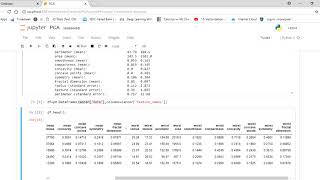
Principle Component Analysis (PCA) using sklearn and python
Python Tutorial - Part 12: Modules
Dimensionality Reduction in Machine Learning Using Python | Basics Explained | Quick Implementation
Machine Learning Tutorial Python - 19: Principal Component Analysis (PCA) with Python Code
Unsupervised Learning - Dimensionality Reduction | Machine Learning | 100 Days of Python: Day 47
Dimensionality Reduction & Segmentation with Decision Trees | Python Code
Dimensionality Reduction for Machine Learning
Dimension Reduction in Python - Principal Component Analysis (PCA)
Full Guide
Data is compiled from public records and verified media reports.
Last Updated: August 16, 2026
Conclusion
For 2026, Dimension Reduction Theory And Code In Python Part 12 Machine Learning In Python The Data Monk remains one of the most searched-for creator profiles. Check back for the newest reports.
Disclaimer: Disclaimer: All Verified Registry logs and creator system metrics are compiled from publicly accessible data, development records, and digital index testing.