About on Master The Sliding Window Technique Crack Leetcode 643 Maximum Average Subarray I With Python
Looking for Master The Sliding Window Technique Crack Leetcode 643 Maximum Average Subarray I With Python's database profile? We've gathered the latest integration metrics, platform footprints, and exclusive insights for Master The Sliding Window Technique Crack Leetcode 643 Maximum Average Subarray I With Python. Discover the complete Verified Registry and digital record.
Core Information
Explore the main sources for Master The Sliding Window Technique Crack Leetcode 643 Maximum Average Subarray I With Python.
Latest News
Stay updated on Master The Sliding Window Technique Crack Leetcode 643 Maximum Average Subarray I With Python's latest milestones.
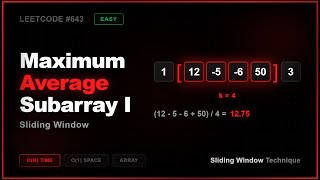
Maximum Average Subarray | Sliding Window in Python | LeetCode Solution
LeetCode 75 #14: Maximum Average Subarray I | Python Solution
Maximum Average Subarray I - 643 - Sliding Window - Leetcode 75 - Python - Arrays
LeetCode 643: Maximum Average Subarray | Sliding Window for FAANG Interviews
LeetCode 643: Maximum Average Subarray I - Sliding Window Explanation (Python)
Maximum Average Subarray I — LeetCode #643 | Python Algorithm Visualization
LeetCode 643: Maximum Average Subarray I | Python Solution with Explanation
Leetcode 643. Maximum Average Subarray I -Google Interview Question Solved Sliding Window Approach
LeetCode 643 Explained — Maximum Average Subarray I (Sliding Window)
Sliding Window Algorithm | Maximum Average Subarray | Leetcode 643 | [Cracking FAANG]
Full Guide
Data is compiled from public records and verified media reports.
Last Updated: August 13, 2026
Conclusion
For 2026, Master The Sliding Window Technique Crack Leetcode 643 Maximum Average Subarray I With Python remains one of the most talked-about creator profiles. Check back for the latest updates.
Disclaimer: Disclaimer: All Verified Registry logs and creator system metrics are compiled from publicly accessible data, development records, and digital index testing.








![Sliding Window Algorithm | Maximum Average Subarray | Leetcode 643 | [Cracking FAANG]](https://i.ytimg.com/vi/S68_D3Glqn4/mqdefault.jpg)
