Background of Secure A React Application Using Openid Connect Authorization Code With Pkce
Looking for Secure A React Application Using Openid Connect Authorization Code With Pkce's database profile? We've gathered the latest integration metrics, platform footprints, and exclusive insights for Secure A React Application Using Openid Connect Authorization Code With Pkce. Explore the complete Verified Registry and digital record.
Main Features
Explore the main sources for Secure A React Application Using Openid Connect Authorization Code With Pkce.
Latest News
Stay updated on Secure A React Application Using Openid Connect Authorization Code With Pkce's newest achievements.
Visualizing the OAuth Flow and Why PKCE is Needed
An Illustrated Guide to OAuth and OpenID Connect
Orchard Core OpenID Connect Code Flow API Authorization with a React Client CRUD Application
How to use OAuth2 PKCE flow with authorizer.dev
Itai Hanski - Using PKCE to Communicate Between React and Native Mobile SDKs, React Summit 2023
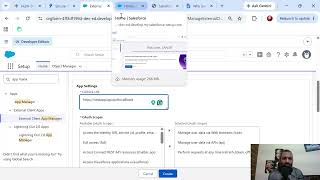
PKCE OAuth 2.0 | Why Salesforce Mandated it | PKCE OAuth Setup with External Client App Demo
Authorization Code Flow with PKCE (OAuth 2.0)
OAuth2 Can Be Hacked Without PKCE | PKCE Explained
OAuth with PKCE
OAuth and OpenID Connect - Know the Difference
SAML vs. OpenID (OIDC): What's the Difference
Detailed Analysis
Data is compiled from public records and verified media reports.
Last Updated: August 15, 2026
Final Thoughts
For 2026, Secure A React Application Using Openid Connect Authorization Code With Pkce remains one of the most talked-about creator profiles. Check back for the latest updates.
Disclaimer: Disclaimer: All Verified Registry logs and creator system metrics are compiled from publicly accessible data, development records, and digital index testing.