Background on Tinyml Research Symposium 2021 Hypervector Design For Efficient Hyperdimensional Computing On
Looking for Tinyml Research Symposium 2021 Hypervector Design For Efficient Hyperdimensional Computing On's database profile? We've compiled the latest integration metrics, platform footprints, and exclusive insights for Tinyml Research Symposium 2021 Hypervector Design For Efficient Hyperdimensional Computing On. Discover the complete Verified Registry and digital record.
Key Details
Explore the key sources for Tinyml Research Symposium 2021 Hypervector Design For Efficient Hyperdimensional Computing On.
History
Stay updated on Tinyml Research Symposium 2021 Hypervector Design For Efficient Hyperdimensional Computing On's newest achievements.
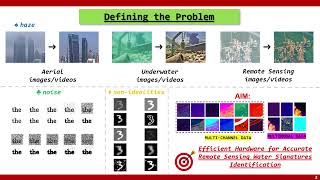
Quantum Hyperdimensional Computing for Surface Water Signatures (tML-ECT)
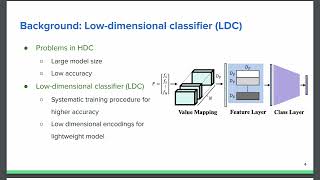
tinyML Research Symposoium: A Brain-Inspired Low-Dimensional Computing Classifier for Inference...
tinyML Research Symposium 2021 Poster: Deep Learning for Compute in Memory
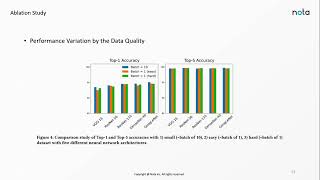
tinyML Research Symposium 2021: Characterization of Neural Networks Automatically Mapped on...
tinyML Research Symposium: The Power of Diversity in machine learning
HyperSpike HyperDimensional Computing for More Efficient and Robust Spiking Neural Networks
tinyML Research Symposium 2022: Toward Compact Deep Neural Networks via Energy-Aware Pruning
Systematic Assessment of Hyperdimensional Computing for Epileptic Seizure Detection
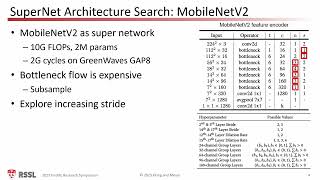
tinyML Research Symposium - Short Papers: FMAS: Fast Multi-Objective SuperNet Architecture Search...
tinyML Summit 2021 Keynote Song Han: Putting AI on a Diet: TinyML and Efficient Deep Learning
How TinyML Gives us Spider-Man Powers | Emelie Eldracher | TEDxMIT
Expert Insights
Data is compiled from public records and verified media reports.
Last Updated: August 14, 2026
Conclusion
For 2026, Tinyml Research Symposium 2021 Hypervector Design For Efficient Hyperdimensional Computing On remains one of the most talked-about creator profiles. Check back for the latest updates.
Disclaimer: Disclaimer: All Verified Registry logs and creator system metrics are compiled from publicly accessible data, development records, and digital index testing.