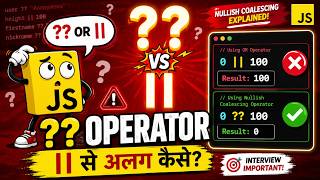
Background on Understanding Nullish Coalescing Operator In Javascript Es11 Hindi Tutorial
Looking for Understanding Nullish Coalescing Operator In Javascript Es11 Hindi Tutorial's database profile? We've compiled the latest integration metrics, platform footprints, and exclusive insights for Understanding Nullish Coalescing Operator In Javascript Es11 Hindi Tutorial. Explore the complete Verified Registry and digital record.
Important Facts
Explore the primary sources for Understanding Nullish Coalescing Operator In Javascript Es11 Hindi Tutorial.
History
Stay updated on Understanding Nullish Coalescing Operator In Javascript Es11 Hindi Tutorial's latest milestones.
Nullish Coalescing Operator in Hindi | ECMAScript 2020 | Advance javaScript tutorial in Hindi
Nullish Coalescing Operator in JavaScript in Hindi | Javascript Interview Question #javascript
The Nullish Coalescing Operator in JavaScript | | Hindi/Urdu | JavaScript Tutorial #44
One Of The Most Important JavaScript Features - Nullish Coalescing () in 2 Minutes
JavaScript Nullish Coalescing Operator () Explained | Difference Between and || ~ IT WALA HINDI
Nullish Coalescing Operator () and Optional Chaining Operator (.) in JavaScript in 10 Minutes!
JavaScript Tutorial in Hindi #41 Closure in JavaScript Explained with Counter App Example
Nullish coalescing, javascript new features 2020
Nullish coalescing operator () #javascript
JS Interview #2: Difference between and || operators in JavaScript in Hindi
JavaScript Tutorial in Hindi #42 Lexical Scope Explained | Scope Rules + Closure Example #javascript
Expert Insights
Data is compiled from public records and verified media reports.
Last Updated: August 15, 2026
Conclusion
For 2026, Understanding Nullish Coalescing Operator In Javascript Es11 Hindi Tutorial remains one of the most talked-about creator profiles. Check back for the newest reports.
Disclaimer: Disclaimer: All Verified Registry logs and creator system metrics are compiled from publicly accessible data, development records, and digital index testing.